Don't replace. Modernize.
A full elevator replacement can mean weeks of shaft downtime and significant capital cost. In most buildings, a targeted modernization — controller, drive, doors and safety systems — recovers most of the performance and reliability gain at a fraction of the cost and disruption.
Typical cost saving vs. full replacement*
Weeks typical downtime per elevator*
VVVF retrofit typically cuts running energy
Fewer breakdowns with modern controls
*Indicative only — actual savings and timelines depend on scope, equipment age and site conditions, confirmed after inspection.
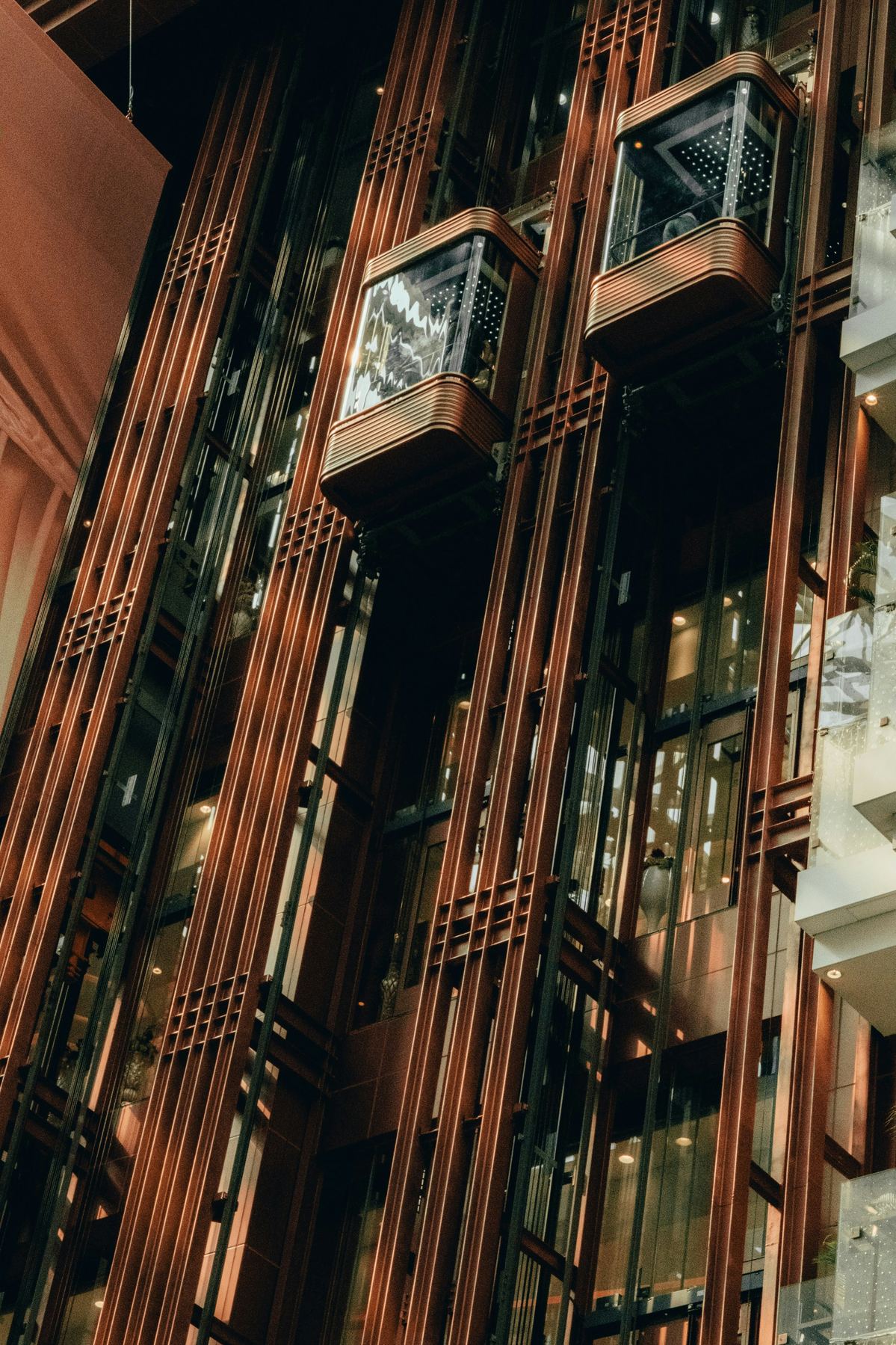
The same shaft, transformed.
Modern controls, drives and finishes can turn a dated, unreliable elevator into one that looks and rides like a new installation — without the downtime or cost of a full replacement.
What modernization changes
Before
- Old relay-based controller
- Old geared / non-VVVF drive
- Worn buttons & indicators
- No digital display
- Poor ride quality
- High, unpredictable maintenance cost
- No remote visibility into faults
After — Dr. Elevator
- Modern microprocessor controller
- VVVF (variable voltage variable frequency) drive
- New door operator & sensors
- Digital display & indicators
- Improved ride quality
- Remote monitoring & energy optimization
- IoT-ready fault alerts
Signs it's time
Frequent breakdowns
Callouts increasing year over year, or the same fault recurring.
Rising spares cost
Parts are obsolete, hard to source, or increasingly expensive.
Poor ride quality
Noise, vibration or leveling complaints from occupants.
15+ years old
Most controllers and drives are nearing end of supportable life by this point.
The Elevator Diagnosis Process
A structured, five-step engineering process — from first conversation to long-term optimization.
Consult
Tell us about your building, its elevators and the problem or project you're facing.
Inspect
Our engineers assess the elevator(s) on-site — safety, ride quality, controls and more.
Diagnose
We identify the technical and operational issues, backed by data, not guesswork.
Prescribe
We recommend the most appropriate, vendor-neutral solution for your building and budget.
Optimize
We help you implement, monitor and maintain it — for the life of the asset.
Modernization, answered
In most cases, the mechanical structure (rails, car, counterweight) outlasts the electronics. We typically recommend modernizing the controller, drive, door operator and safety systems while retaining sound mechanical components — confirmed after inspection.
A single-elevator controller/drive modernization typically takes 1–2 weeks of shaft downtime, depending on scope and parts availability. Multi-elevator buildings are usually phased to keep some cars running.
Yes — modernization is also the opportunity to bring older installations up to current safety code (interlocks, overspeed governors, emergency communication) where they fall short.
No. We're vendor-neutral — we specify and can compare multiple modernization technology providers based on your building's requirements and budget.
Get My Elevator Modernization Assessment
A site visit and written report — scope, cost range and priority order, before you commit to anything.