Escalator Safety Recalls Are Back in the News — What Facility Managers Should Know
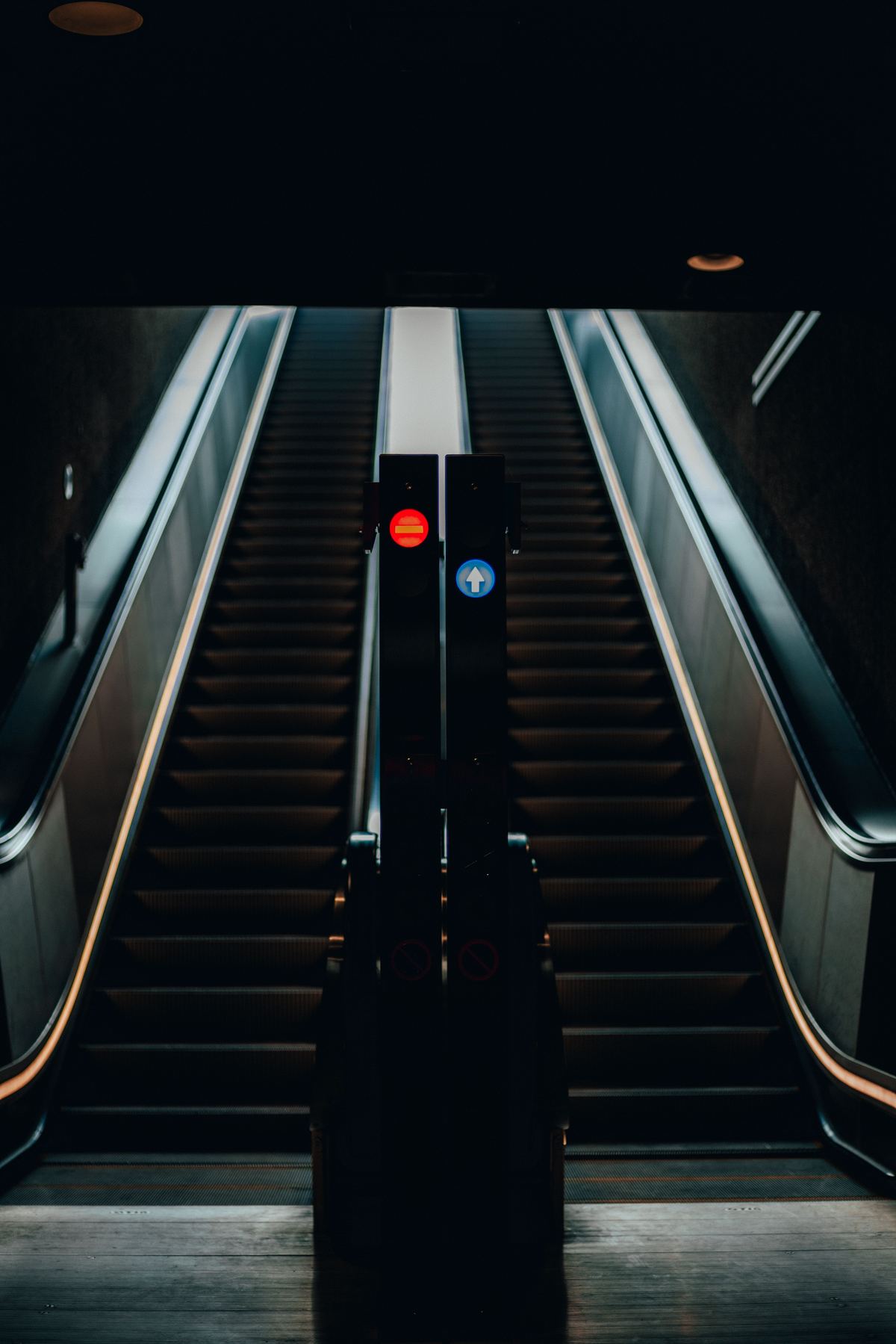
Escalators get far less attention than elevators in most maintenance programs, right up until a comb-plate or skirt-panel incident makes the news — and then facility managers everywhere start asking whether their own units are affected. A string of high-profile incidents and component recalls over the past year has pushed exactly that question back to the top of many inboxes.
The most common failure points
- Comb-plate impact/entrapment at the top or bottom landing — usually from a missing tooth or misalignment, not a design failure.
- Skirt-panel gaps that allow footwear or clothing entrapment along the side of the moving steps.
- Step-chain and roller wear, which shows up as unusual noise or step misalignment before it becomes a safety issue.
- Handrail speed mismatch relative to the steps, a subtle but real trip hazard that's often missed in casual observation.
Why escalators get less attention than elevators
Escalators are usually maintained under a lighter AMC scope than elevators in the same building, and safety-critical measurements (comb-plate clearance, skirt gap, step-chain tension) require dedicated checks that a general inspection sometimes skips. In our audits, escalator-specific compliance gaps are more common than elevator ones, precisely because they get less scrutiny.
If your building has escalators, confirm your AMC scope explicitly names comb-plate, skirt-panel and step-chain checks by interval — not just "escalator maintenance" as a line item. A vague scope is how these gaps happen.
What to do if you're not sure
A dedicated escalator safety audit, distinct from your elevator inspection, is the fastest way to know where you stand — especially if your escalators haven't had one in the last 12 months.
Want an independent read on how this applies to your building?
Book a Consultation